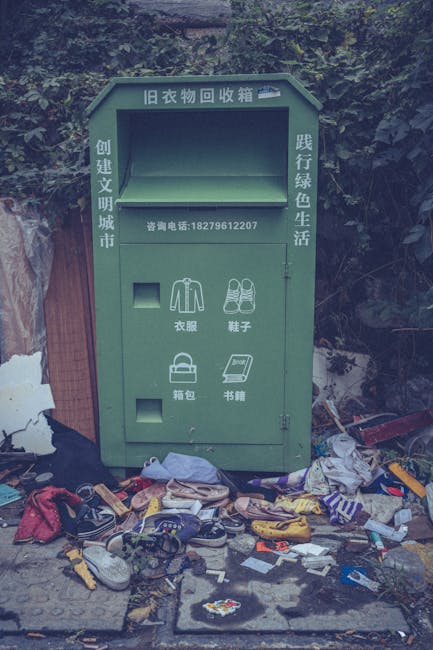
Insider tips for recycling and donation from Fulham rubbish crews
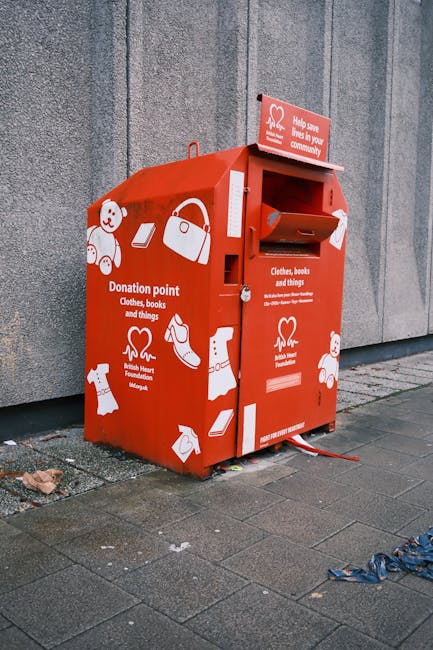
If you have ever stared at a pile of unwanted furniture, half-used DIY bits, or a loft full of "I'll deal with that later" items, you already know the feeling. It is messy, time-sensitive, and oddly emotional too. The good news is that the insider tips for recycling and donation from Fulham rubbish crews are not complicated. They are mostly about sorting smarter, deciding earlier, and avoiding the little mistakes that turn a quick clearance into a bigger job than it needs to be.
In Fulham, where flats can be tight on storage and access is often awkward, a well-planned clearance can make a huge difference. The aim is simple: keep reusable items out of the waste stream, send recyclables to the right route, and make the removal itself as smooth as possible. Below, you will find the practical know-how that crews tend to rely on day after day - the sort of advice that saves time, cuts stress, and often helps more items find a second life.
Why insider tips for recycling and donation from Fulham rubbish crews matters
Waste clearance is not just about getting things out of the way. It is about deciding where each item belongs, and doing that before everything gets tipped into one mixed heap. That matters because mixed waste is harder to process, more expensive to handle, and often less useful to anyone down the line.
Fulham has a lot of homes where the same clearance job can include a broken bedside table, a perfectly good lamp, packaging from a flat move, and a bag of old cables that nobody remembers buying. If you sort all of that properly, you create a much cleaner pathway for reuse and recycling. If you do not, everything blurs together and the simplest option becomes disposal. To be fair, that is how many people end up wasting more than they intended.
For rubbish crews, the real value is in speed and judgement. They can often spot what is reusable in seconds, what needs careful separation, and what should never be mixed with general waste. A worn sofa is one thing. A sofa with a solid frame, decent upholstery, and no contamination is another. Same object, very different outcome.
This topic also matters because people are increasingly looking for responsible disposal, not just removal. They want less landfill, fewer missed donation opportunities, and a process that feels sensible rather than wasteful. That is especially true for local jobs in London, where space is tight and the cost of being inefficient can be felt pretty quickly.
Recycling and sustainability guidance from the site can help frame that mindset if you want a broader view of how waste is handled responsibly across different types of clearances.
How insider tips for recycling and donation from Fulham rubbish crews works
The process is usually more straightforward than people expect. First, the crew identifies what can be reused, what can be donated, what can be recycled, and what has to be disposed of as residual waste. Then the items are separated so they can follow the right route.
In practice, that means the crew is looking for signs of condition, cleanliness, completeness, and safety. A bookcase with all shelves intact and no damp damage is a donation candidate. A metal bed frame might be recyclable. A broken armchair with stains and a collapsed base is probably disposal. It is not glamorous work, but it is practical, and it keeps the job moving.
Most problems come from uncertainty. If items are bundled together in black bags, boxed up without labels, or stored in a way that hides their condition, crews have to spend extra time checking them. That does not sound dramatic, but it can be the difference between an easy collection and a frustrating one. A small amount of pre-sorting helps a lot.
For bigger domestic jobs, the process often overlaps with a service such as home clearance or house clearance, where crews handle multiple room types and different waste streams in one visit. In flats, where access can be narrow and parking is a pain, flat clearance often needs even more careful sorting before the team arrives.
One thing people sometimes miss: crews are not just removing "stuff". They are making quick decisions about reuse value, recycling potential, and safe handling. That judgement is where the insider advantage comes in.
Key benefits and practical advantages
When you sort for recycling and donation properly, the benefits show up immediately. Some are obvious, some are a bit more hidden.
- Less waste sent to disposal - more items get reused or recycled instead of being treated as general rubbish.
- Cleaner, faster collection days - a pre-sorted pile is easier for crews to load and process.
- Lower stress - you are not making last-minute decisions while the team is standing at the door.
- Better donation outcomes - usable goods are more likely to stay in circulation.
- More space reclaimed at home - that is the real win for most people, honestly.
There is also a cost angle. If reusable items are separated early, the removal can be more efficient. That does not magically make every clearance cheap, but it can reduce avoidable handling time. For larger jobs, especially where there are mixed items from storage rooms, lofts, or garages, that efficiency can be noticeable.
Another advantage is emotional, which sounds soft but is real. Donating a decent dining chair, a functional chest of drawers, or a bag of wearable clothes feels better than simply throwing everything away. A lot of people find that surprisingly motivating once they start.
If your clearance involves pieces of furniture, you may also want to look at furniture clearance and furniture disposal as part of your planning, especially if some items can be reused while others have reached the end of the line.
Who this is for and when it makes sense
This approach is useful for more people than you might think. It is not just for big house clearances or major refurbishments. In fact, the most common wins often come from smaller, messier jobs where people are unsure what to do next.
You will benefit if you are:
- moving out of a flat and need to clear mixed belongings quickly
- sorting a loft, garage, or spare room full of old storage boxes
- replacing furniture and want the old pieces handled responsibly
- down-sizing after a move, relationship change, or family transition
- clearing a home office and do not want to mix reusable items with old paper waste
- removing leftover materials after light building or renovation work
For trade and business settings, the same logic applies, but with tighter control. An office clearance may produce chairs, desks, monitors, packaging, files, and recyclable material all at once. That is where having a plan matters. A good crew will separate what can be reused, what can be recycled, and what needs secure disposal. If the job is commercial, office clearance and business waste removal are the most relevant service routes to think about.
And yes, this applies to outdoor and storage spaces too. A garage packed with old paint tins, shelving, metal offcuts, and broken household items needs a different approach from a simple sofa pickup. You can quickly see why one-size-fits-all advice falls apart.
Step-by-step guidance
Here is the practical sequence that tends to work best. Nothing fancy. Just a sensible order.
- Walk through the space first. Identify anything that is clearly reusable, clearly recyclable, or obviously waste. You do not need to overthink every item; just separate the obvious ones first.
- Create three piles. One for donation, one for recycling, one for disposal. If you are short on space, use labels or tape on boxes so nothing gets mixed again by accident.
- Check condition honestly. Donation only works if the item is clean, complete, and safe enough for someone else to use. If you would not happily hand it to a neighbour, it probably does not belong there.
- Remove obvious contamination. Empty drawers, remove food residue, take loose rubble out of containers, and separate liquids or batteries where possible.
- Group similar materials. Put metal together, cardboard together, and textiles together where practical. This makes the crew's job smoother and helps with recycling routes.
- Keep access clear. Make sure hallways, stairwells, and doorways are not blocked. A lot of delays happen because the best item in the room is the one nearest the back, behind six bags and a bicycle nobody uses anymore.
- Flag special items early. Tell the crew if you have electrical items, awkward furniture, sharp objects, or anything heavy that may need extra care.
- Confirm the collection plan. A quick conversation before the job begins can prevent a lot of fuss later. Simple, direct, useful.
One small but important point: do not leave donation items at the bottom of a mixed pile and hope for the best. Once a clean, reusable item has been crushed, torn, or contaminated, it may no longer be suitable. That is the sort of mistake people only realise after the van has already moved off. Annoying, but avoidable.
Expert tips for better results
Here is where the insider angle really earns its keep. These are the habits that experienced crews tend to use because they work.
1. Sort before the day of collection, not during it
The best time to decide what stays, donates, or goes to recycling is the day before. On collection day, you are usually rushed, the hallway is busy, and every object starts to look more complicated than it is.
2. Keep items clean enough for a second life
Donation centres and reuse pathways are far more likely to accept items that do not need extra cleaning. Wipe down shelves, vacuum fabric if needed, and remove any obvious grime. Small effort, big difference.
3. Bundle small recyclables properly
Loose batteries, cables, bulbs, and small metal items are easy to lose or mix up. Keep them contained and separate. You will thank yourself later.
4. Be honest about condition
A wobbly table is not a donation item. A mattress with heavy damage is not a recycling miracle. Calling things what they are saves time for everyone. Let's face it, nobody wants to argue with a sagging chair at 8 a.m.
5. Think in terms of routes, not just items
Ask yourself: does this belong in reuse, recycling, or disposal? That route-based thinking is much better than staring at an item and guessing. It keeps decisions clean and reduces second-guessing.
6. Use service pages to plan by waste type
For construction leftovers, builders waste clearance is the better fit than a general clearance. For cluttered storage spaces, garage clearance or loft clearance is more useful. Matching the job to the right service keeps the recycling and donation side much tidier.
Sometimes the easiest gains come from the smallest habits. One labelled box. One separate pile. One honest decision about a broken chair. That is usually enough to turn a chaotic clear-out into a smooth one.
Common mistakes to avoid
Most clearance problems do not come from bad intentions. They come from rushing, guessing, or leaving decisions too late. Here are the big ones.
- Mixing everything together and expecting the crew to sort it all on the spot.
- Assuming damaged items can still be donated just because they are "nearly fine".
- Forgetting about access, especially in flats, narrow hallways, or basement spaces.
- Leaving sharp, dirty, or hazardous items unflagged, which slows the job and can create safety issues.
- Storing recyclables in damp conditions, which can ruin cardboard, textiles, and paper before they are collected.
- Waiting until the last minute to separate paper, metal, furniture, and electricals.
A very common one in Fulham? People keep saying, "We'll sort it when the team arrives." That sounds efficient, but in real life it often means the van is waiting, the weather is turning grey, and the job takes longer than it should. Not ideal.
Also, do not use donation as a catch-all for items that are just too awkward to deal with. Good donation is generous and practical. It is not a hiding place for rubbish.
Tools, resources and recommendations
You do not need specialist equipment for most clearances, but a few simple tools make the process better.
- Permanent marker and labels - useful for marking donation, recycling, and disposal boxes.
- Strong bin bags or rubble sacks - best for grouped waste that is already sorted.
- Reusable boxes or crates - handy for books, cables, kitchenware, and smaller reusable items.
- Work gloves - sensible for lofts, garages, and any job with dust or rough edges.
- Tape measure - helpful if you are trying to decide whether furniture will fit through a door or down stairs.
It also helps to keep a basic home inventory in mind. If a chair is still sturdy and presentable, it may have reuse value. If a lamp still works and the cable is intact, that can often be separated from the rest. If a cardboard box is damp, it probably should not be treated as clean recycling anymore. Pretty ordinary stuff, but it matters.
For sustainability-minded sorting, the site's recycling and sustainability page is a sensible companion read. If you want to understand the company side of things, about us gives useful background on the team behind the service.
Law, compliance, standards, and best practice
When waste changes hands, compliance matters. You do not need to be a legal expert, but you do want to know the basics. In the UK, households and businesses should use responsible waste handling practices, and commercial waste in particular needs proper documentation and safe transfer arrangements.
The practical best practice is simple: use a reputable clearance provider, separate reusable items where possible, and make sure anything potentially hazardous is handled carefully. Electrical items, batteries, sharp objects, and contaminated materials deserve extra caution. The same is true for confidential paperwork in offices, which should not be left mixed in with general rubbish.
If a clearance involves business waste, ask about process and traceability. If a job includes furniture for reuse or disposal, make sure the handling route is clear. If something feels borderline - say, old paint, chemical products, or unknown liquids - do not guess. Set it aside and get specific advice.
Best practice also includes respect for people, property, and time. Crews should protect walls, avoid unsafe lifting, and leave the site tidy. Customers should give clear instructions and disclose anything unusual. A good job is usually a two-way thing.
For service standards connected to safe handling and responsible operations, these pages are especially relevant: health and safety policy, insurance and safety, and terms and conditions. They help set expectations in plain English.
Options, methods, or comparison table
If you are deciding how to deal with unwanted items, it helps to compare the main routes side by side.
| Method | Best for | Pros | Watch out for |
|---|---|---|---|
| Donation | Clean, usable items with life left in them | Extends use, reduces waste, feels worthwhile | Only works if items are in genuinely good condition |
| Recycling | Separable materials such as metal, cardboard, some electricals, and textiles | Helps recover materials and reduces disposal volume | Contamination can make recycling impossible |
| General disposal | Broken, dirty, damaged, or mixed waste | Simple for items that no longer have reuse value | Usually the least sustainable option |
| Specialist clearance | Bulky, mixed, or access-challenging loads | More efficient for larger jobs and complex spaces | Needs clear communication about item types |
In everyday terms, donation is the first question, recycling is the second, and disposal is the last resort. That order is a good habit. It is also surprisingly effective when you are facing a pile of stuff and do not know where to start.
Case study or real-world example
A typical Fulham job might look like this: a two-bedroom flat, a tight stairwell, and a mix of old furniture, books, kitchenware, and a few bags of general clutter. The resident is moving in a hurry and wants the place cleared without sending everything to waste.
Before the crew arrives, the resident separates three items that are clearly reusable: a solid dining chair, a lamp that still works, and a small shelving unit with only surface scuffs. Two cardboard boxes of books are kept dry and labelled for donation. The rest is grouped by type - metal bits, old packaging, and damaged household rubbish.
Because the items are sorted early, the crew can identify reuse opportunities quickly and move the rest through the right channels without back-and-forth. The flat is emptied faster, the good items are not muddied by mixed waste, and the resident feels a bit less overwhelmed. Small win, but it matters.
In a slightly messier version of the same job, people often find one more useful item than they expected. It happens all the time. A bedside table that looked scratched but is actually fine. A spare kitchen chair with a wobbly screw that can be tightened. These little discoveries are why a careful walkthrough is worth it.
Practical checklist
Use this before your next clearance. It keeps the process grounded.
- Separate items into donation, recycling, and disposal piles.
- Check furniture for structural damage, stains, and missing parts.
- Keep electrical items dry and grouped together.
- Remove food waste, liquids, and loose debris from containers.
- Label boxes so nothing gets mixed again.
- Clear access paths through hallways, stairs, and doorways.
- Flag anything heavy, sharp, or awkward to carry.
- Keep paperwork and confidential items apart from general waste.
- Use the right service page for the job type, especially for offices, garages, lofts, or building leftovers.
- Ask questions early if an item sits on the border between donation and recycling.
If you are clearing furniture specifically, it can also help to review furniture clearance alongside the more disposal-focused route. That gives you a better sense of what should be kept out of the waste stream.
And if the job is part of a broader home reset, the relevant starting point is often waste removal because it gives the cleanest overview of how a mixed load can be managed.
Conclusion
The best insider tips for recycling and donation from Fulham rubbish crews are refreshingly simple: sort early, be honest about condition, keep access clear, and choose the right route for each item. Do that, and you will usually save time, protect reusable goods, and make the whole clearance feel less chaotic.
The real secret is not some hidden trick. It is consistency. A little planning before the crew arrives. A few labels. One or two sensible decisions. That is often enough to turn a stressful pile-up into a tidy, purposeful clear-out. And frankly, that relief when the space is finally empty? Hard to beat.
If you are planning a clearance in Fulham and want to approach it properly, take a look at pricing and quotes to understand the next step, or get in touch if you want to talk through a specific job.
Get a free quote today and see how much you can save.
Frequently Asked Questions
What should I donate instead of throwing away?
Donate anything clean, safe, complete, and still useful. Good examples are sturdy furniture, working lamps, books in decent condition, and kitchen items without damage. If an item feels too worn for someone else to use comfortably, it is usually better suited to recycling or disposal.
How do rubbish crews decide what can be recycled?
They look at the material type, condition, and contamination level. Clean cardboard, metal, some electrical items, and certain textiles are often recyclable. Once materials are mixed with food, liquids, or heavy dirt, the recycling route may no longer be viable.
Can broken furniture be donated if it only needs a small repair?
Usually not. Donation is best for items that are already usable and safe. A loose screw or minor scuff may be fine, but major structural issues, stains, or missing parts can make the item unsuitable. It is better to be strict here.
What is the best way to prepare items for collection?
Sort them into donation, recycling, and disposal before the crew arrives. Clear access, remove loose rubbish, and keep similar materials together. That simple prep often saves more time than people expect.
Do I need to clean donation items first?
Yes, as a rule of thumb. They do not need to be showroom perfect, but they should be clean enough to hand on. A quick wipe-down or vacuum can make the difference between a useful donation and an item that gets rejected.
Is it worth separating recycling from general waste at home?
Definitely. It reduces confusion during collection and can improve the chances that useful materials are recovered. Even a basic split between cardboard, metal, reusable items, and rubbish is a good start.
What happens to items that cannot be donated?
If they are recyclable, they should be separated into the correct material stream. If they are broken, contaminated, or otherwise unsuitable, they go to disposal. The aim is to move each item through the best available route, not force it into the wrong one.
How do I handle bulky items in a flat with narrow stairs?
Tell the crew in advance, measure awkward spaces if needed, and clear hallways before collection day. For flat-based jobs, planning access is just as important as sorting the items. Sometimes more so, to be honest.
Can I mix electrical items with regular recycling?
No, not usually. Electrical items should be separated and handled carefully because they need different treatment from cardboard or metal. Cables, lamps, and small appliances should be flagged early so they are not bundled with ordinary waste.
What is the smartest way to deal with a mixed loft or garage clear-out?
Work in categories instead of random piles. Separate reuse, recycling, and disposal; then group similar materials together. For these spaces, loft clearance and garage clearance are especially useful service routes because they match the type of clutter involved.
Are there special concerns for business waste?
Yes. Business waste often includes paperwork, equipment, office furniture, and sometimes sensitive material. It should be handled with clearer process control than a typical household clear-out. Business waste removal and office clearance are the right places to start if that is your situation.
What if I am not sure whether something should be donated or recycled?
Use condition as the deciding factor. If it is genuinely usable and presentable, donation may work. If it is damaged but the material itself is recoverable, recycling is the better route. When in doubt, keep it separate and ask before collection rather than guessing on the day.