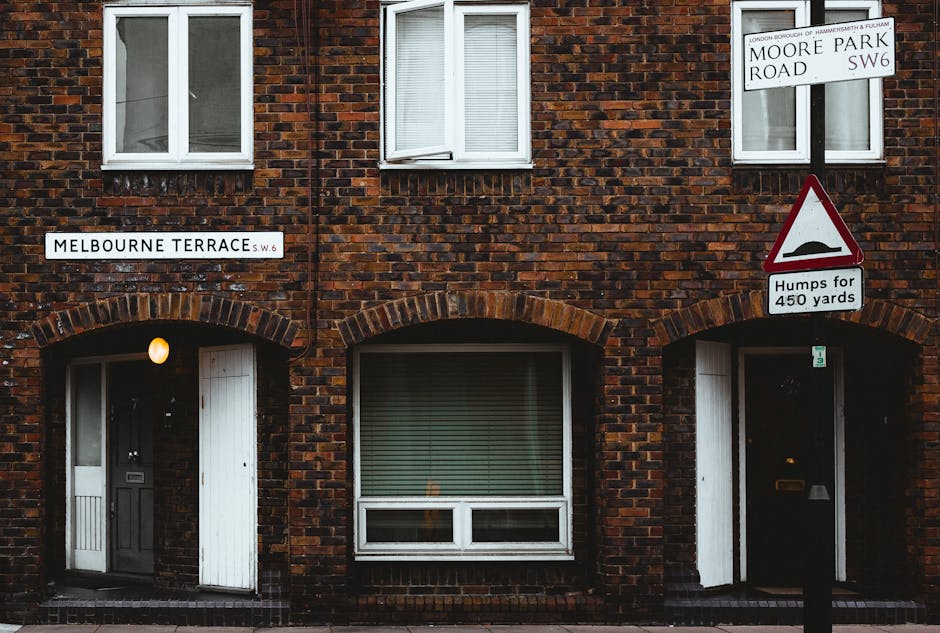
Hammersmith and Fulham Council Bulky Waste Rules: A Practical Local Guide
If you have a sofa stuck in the hallway, an old mattress leaning in the spare room, or a washing machine that has quietly given up on life, the Hammersmith and Fulham council bulky waste rules suddenly matter a lot. The tricky part is that bulky waste is not just "big rubbish". Different items, different booking rules, different prep requirements - and if you get it wrong, you can end up with delays, extra hassle, or items left behind on the pavement like an unwanted house guest.
This guide explains how bulky waste collections generally work in Hammersmith and Fulham, what councils usually expect, where people slip up, and when a private clearance service may be the easier route. It is written for real-life situations, not theory. Moving home? Clearing a flat? Getting rid of one heavy item after a renovation? You'll find the practical details here.
Table of Contents
- Why Hammersmith and Fulham council bulky waste rules Matters
- How Hammersmith and Fulham council bulky waste rules Works
- Key Benefits and Practical Advantages
- Who This Is For and When It Makes Sense
- Step-by-Step Guidance
- Expert Tips for Better Results
- Common Mistakes to Avoid
- Tools, Resources and Recommendations
- Law, Compliance, Standards, or Best Practice
- Options, Methods, or Comparison Table
- Case Study or Real-World Example
- Practical Checklist
- Conclusion
- Frequently Asked Questions
Why Hammersmith and Fulham council bulky waste rules Matters
Bulky waste rules matter because large items are awkward in ways normal household rubbish is not. A broken wardrobe is hard to lift. A mattress can block a corridor. A fridge-freezer needs careful handling because of weight and materials. Councils set rules so these items are collected safely, routed properly, and do not cause avoidable problems for residents or crews.
In a borough like Hammersmith and Fulham, where homes are often flats, maisonettes, terraces, and shared buildings, the practical side becomes even more important. A collection might need stair access, clear footpaths, or special timing to avoid upsetting neighbours or blocking a narrow street. It sounds simple until you are wrestling a three-seater sofa through a tight communal hallway. Then, well, it gets real very quickly.
Understanding the rules also helps you avoid putting the wrong thing out at the wrong time. Councils usually separate bulky household items from garden waste, builders' waste, and commercial waste. That distinction matters because each stream is handled differently. If you are dealing with mixed items, you may need more than one service, or you may need to separate what can be reused, recycled, or disposed of.
For homeowners, tenants, landlords, and agents, getting this right saves time and prevents unnecessary repeat visits. It also helps you plan around move-out dates, end-of-tenancy clean-ups, probate clearances, or renovation work. If you are already juggling boxes, bins, and a stairwell full of furniture, a clear plan is a relief.
Residents often also want a more sustainable outcome. That's fair. Many bulky items can be reused, dismantled, or sent through the right recycling route rather than ending up in mixed waste. If sustainability matters to you, it may be worth looking at a provider's recycling and sustainability approach alongside the collection itself.
How Hammersmith and Fulham council bulky waste rules Works
The exact council process can change over time, so the safest approach is to check the current local instructions before you book anything. That said, bulky waste collections usually follow the same broad pattern: you identify the items, check what qualifies, book a collection, present the items correctly, and wait for the agreed day.
Most councils distinguish between standard household rubbish and bulky items that are too large for the usual bin service. Typical examples include sofas, armchairs, mattresses, wardrobes, tables, chairs, beds, bed frames, and some white goods. Items with gas, oils, or hazardous contents may be treated differently. A garden shredder with electrical parts is not the same as a torn-up rug, and councils tend to be strict about that. Fair enough, really.
In practical terms, you should expect a few common requirements:
- Items need to be listed clearly when you book.
- They may need to be placed outside by a specific time.
- Access must be safe for crews.
- Some items may need dismantling before collection.
- Mattresses, fridges, and heavy furniture may have special handling rules.
If the item is not accepted under the bulky waste service, the council may advise a different disposal method. That is one reason people sometimes turn to a private waste removal service, especially when time is tight or the waste is mixed. For example, a flat clearance after a tenancy might involve furniture, black bags, old kitchen items, and a garage's worth of clutter. A single council bulky collection may not suit that sort of job.
For heavier clear-outs, a broader service like house clearance or home clearance can be more practical than trying to shoehorn everything into one council appointment.
What counts as bulky waste?
Bulky waste is usually household material too large to fit in your normal container service. That often includes furniture and domestic appliances, but not always. Councils may reject items that are unsafe, contaminated, excessively heavy, or classed as hazardous. A broken chest of drawers is one thing; a leaking paint tin or a DIY waste pile is another.
As a rule of thumb, if an item would need two people to lift comfortably, or cannot be put out with your normal bins, it is worth checking the bulky waste rules before you assume it qualifies. One quick phone call or online check can save a lot of back-and-forth later.
How collections are usually arranged
Most residents either book a one-off collection or combine several items in a single visit. The council may limit how many items can be included, or it may charge per item or per load. The exact structure can vary, which is why it is wise not to guess. A booking for one mattress is not the same as a full flat full of furniture, and the service will usually reflect that.
In some cases, the council expects items to be left in a designated spot outside the property. In others, collection may only be from the boundary or ground-floor access point. This is where shared buildings can become awkward. If you live on an upper floor and there is no lift, the carrying requirement may be on you unless the service specifically states otherwise.
What usually causes collections to fail
Three things come up again and again: wrong item type, poor placement, and access issues. If a crew cannot reach the item safely, they may not collect it. If the item is not on the agreed list, it may be left behind. If a mattress is damp, torn, or contaminated, it may be treated differently.
That is why a bit of prep matters so much. A collection job is simple only when the items are clearly described and easy to collect. Otherwise, it gets messy fast.
Key Benefits and Practical Advantages
Following the bulky waste rules properly is not just about compliance. It also makes life easier in very everyday ways. You know where the sofa is going, when it is going, and who is responsible for what. That alone cuts stress in half.
- Less risk of missed collections: If items are booked and presented correctly, there is less chance of a wasted visit.
- Cleaner homes and common areas: Old furniture and broken appliances do not sit around blocking space.
- Safer moving conditions: Hallways, stairwells, and entrances stay clearer.
- Better planning for tenants and landlords: End-of-tenancy dates are easier to manage.
- Potentially better recycling outcomes: Items can often be separated and handled more appropriately.
There is another benefit people often overlook: peace of mind. Let's face it, bulky waste is annoying. It sits there, taking up visual and physical space, and every day you delay it feels slightly more irritating. Once there is a clear disposal plan, the mental clutter drops too.
For larger clearances, especially where furniture, old shelving, and mixed household items are involved, you may want to compare the council route with a dedicated service such as furniture clearance or furniture disposal. The best choice depends on the volume, access, and how quickly the space needs to be cleared.
Who This Is For and When It Makes Sense
This topic matters to anyone who has large household items to dispose of in the borough. That includes renters moving out, families replacing furniture, landlords after a tenancy ends, and homeowners doing a long-overdue clear-out. It also matters to people with no car, no lift, or no helpful friend who happens to own a van. Which, to be fair, is most of us at some point.
It makes the most sense to use the council bulky waste route when:
- you only have one or a few acceptable items;
- the items are standard household bulky waste;
- you are not in a rush;
- the access arrangements are straightforward;
- you are happy to follow the council's booking and presentation rules.
It may make less sense when the clearance is broad, urgent, or awkward. That includes situations like a loft full of old boxes, a garage that has become a storage cave, or a flat where furniture has to be removed carefully through narrow communal stairs. In those cases, a private service may save time and reduce the amount of heavy lifting you need to do.
For instance, after a probate clearance or a sudden move, people often need more than "a bulky item collection". They need a structured plan. That is where services like loft clearance, garage clearance, or even flat clearance can be more suitable.
Step-by-Step Guidance
If you want to deal with bulky waste without drama, follow a simple process. It is not glamorous. But it works.
- Identify every item. Write down what you need removed. Include size, condition, and whether it is damaged, wet, or partly dismantled.
- Separate bulky waste from other waste streams. Keep builders' rubble, garden cuttings, and general rubbish apart from furniture and appliances.
- Check current council rules. Look at what is accepted, how bookings work, and whether there are restrictions on special items.
- Measure access points. Doorways, stairwells, lifts, and hallways matter more than people think.
- Book the collection or arrange an alternative. If the council service fits, book it. If not, choose a clearance method that does fit.
- Prepare the items. Empty drawers, remove loose contents, and dismantle pieces where sensible.
- Place items exactly as instructed. Do not improvise on collection day. That is where many things go wrong.
- Keep proof of booking. Useful if there is a timing issue or a question about what was included.
A small but useful note: if you are clearing multiple types of waste, it may be cleaner and easier to use a broader waste removal option rather than mixing collections. You can explore general waste removal if the job is more than a simple one-off bulky item pickup.
And if the waste is from a work project - say a shop refit, office tidy-up, or builder's strip-out - then a service built for that sort of waste is usually better than trying to make the household bulky collection fit. In those cases, look at office clearance or builders waste clearance.
Expert Tips for Better Results
People often think bulky waste is just about putting something out for pickup. In reality, the smoother jobs are the ones where the prep is done properly.
- Dismantle when possible. A bed frame in pieces is easier to move than a full frame in a tight hallway.
- Keep the path clear. Remove shoes, plant pots, bikes, and random bags from the route to the item.
- Protect floors and walls. A quick blanket or cardboard layer helps with awkward corners.
- Bundle like with like. Put furniture together, keep white goods together, and do not mix in unsuitable waste.
- Think ahead about parking and access. If a vehicle needs to stop nearby, make sure the space is workable.
Another practical tip: if something is still usable, consider whether it should be reused before it is thrown away. That is not just an eco point; it can also reduce the amount of waste you pay to remove. A sturdy table or a decent bookcase may have more life in it than you think.
We have found that people almost always underestimate the time needed to get a bulky item out of a home. A sofa might look simple until you meet the stair turn at the second landing. Then suddenly you are negotiating angles like a very tired furniture engineer. Happens every week.
If you are trying to save time and want a clearer picture of service pricing or scope, take a look at pricing and quotes before you decide. And if you are choosing a contractor, it is sensible to review their insurance and safety information too.
Common Mistakes to Avoid
Most bulky waste problems are avoidable. The same few mistakes show up again and again.
- Assuming everything large qualifies. It does not. Some items need special handling.
- Leaving items too late. End-of-tenancy days have a habit of arriving whether you are ready or not.
- Forgetting access constraints. Stairs, lifts, shared hallways, and parking all matter.
- Mixing different waste types. Furniture, garden waste, and builder's waste should not be treated as one pile.
- Not checking item condition. Wet, broken, or contaminated goods can create issues.
- Putting items out early. This can create safety problems or complaints from neighbours.
A classic mistake is booking the collection and then discovering the wardrobe still has half the contents in it. That sounds obvious, but it happens. Quite a lot. Drawers, shelves, old cables, books, and half a bag of screws all seem to breed in furniture when nobody is looking.
Another one is underestimating the scale of a clearance. A "few bits" can quickly become a van-load when you start moving things around. If that is happening, it may be time to step back and compare the council route with a larger clearance option.
Tools, Resources and Recommendations
You do not need a toolkit the size of a trades van, but a few simple items can make bulky waste prep much easier.
- Measuring tape: Useful for checking doorways, sofa widths, and stair turns.
- Screwdriver or Allen keys: Handy for beds, shelving, and flat-pack furniture.
- Strong bin bags or boxes: Good for loose contents removed from furniture.
- Gloves: Especially useful for splinters, screws, and rough edges.
- Protective blankets or cardboard: Helpful for floors and walls when moving large items.
For a bigger household clear-out, the most useful resource is often not a tool at all but a plan. Know what stays, what goes, and what needs a separate disposal method. A house clearance becomes much easier when the important decisions are made before the removal team arrives.
If your situation is a mixed domestic clear-out, these pages may help you think through the right route: home clearance, house clearance, and furniture clearance. If it is business-related, business waste removal is a better fit.
It is also worth checking company policies before you book anything. Not because you expect trouble, but because good operators are usually clear about service terms, accessibility, and handling standards. The same goes for terms and conditions and the about us page, where you can get a sense of how the business presents itself.
Law, Compliance, Standards, or Best Practice
When bulky waste is involved, the important principle is simple: waste should be managed safely, responsibly, and by a legitimate route. For residents, that means following the council's current collection instructions or using a reputable waste carrier where a private service is more appropriate.
In UK practice, you should always avoid leaving waste on the street unless it has been arranged and is permitted under the relevant collection process. Fly-tipping and improper disposal create risks for the resident and for the community. Even when an item is your own property, it still needs to be handed over properly. That is just how it works.
Good practice also means checking whether the disposal route can handle the item safely. A general bulky collection may be suitable for a sofa or table, but not for hazardous materials, sharp breakages, or contaminated items. If in doubt, treat uncertainty as a sign to ask first rather than hope for the best.
Private operators should work with appropriate insurance, safe loading methods, and responsible transfer or disposal routes. If you are comparing services, this is where details matter more than slogans. A company that clearly explains safety, recycling, and payment is usually easier to trust than one that is vague about everything.
If you want to understand how a provider handles security and payments, it can also help to review payment and security and the site's privacy policy. For some readers, that is the difference between feeling uncertain and booking with confidence.
Options, Methods, or Comparison Table
There is no single right way to dispose of bulky waste. The best method depends on the item, the urgency, and how much work you want to do yourself. Here is a simple comparison.
| Method | Best for | Pros | Watch-outs |
|---|---|---|---|
| Council bulky waste collection | One-off household items | Simple for accepted items; usually straightforward for residents | May have item limits, timing rules, and access requirements |
| Private bulky item removal | Urgent or awkward collections | More flexible, often quicker, useful for mixed loads | Needs careful choosing; costs vary by load and access |
| Full property clearance | Whole rooms, lofts, flats, or houses | Handles multiple waste types in one visit | Overkill for a single item |
| Specialist furniture disposal | Large or heavy furniture only | Focused service for sofas, beds, wardrobes, and similar items | Not ideal if you also have general rubbish or mixed waste |
As a practical example, a single mattress is usually a different decision from clearing a whole spare room. The mattress might suit the council route. The room full of unwanted furniture probably does not.
Case Study or Real-World Example
Picture this: a tenant in Fulham is leaving on Friday morning. The flat has a wardrobe that will not fit down the stairwell in one piece, a mattress, two office chairs, and a small pile of broken household bits that have accumulated over a year. The tenant's first thought is, "Can the council just take all of this?"
In practice, that depends on the current bulky waste rules and what the service accepts. If the wardrobe must be dismantled, the tenant now has a time problem. If the bits include mixed waste, there may be another problem. If the lift is out and the hallway is narrow, there may be an access problem as well. And suddenly it is Friday eve and nobody wants to be the person dragging splintered MDF down the stairs.
What worked best in a similar real-world situation was a combination approach: the tenant separated what could go through the household bulky route, dismantled the wardrobe, and used a broader clearance service for the remaining mixed items. A service such as flat clearance was the better fit because it removed the stress of handling everything in one rigid appointment.
The lesson is simple. The "cheapest" option is not always the most practical one when time, access, and moving-day pressure are in the mix.
Practical Checklist
Before you book or put anything out, run through this quick checklist.
- Have I checked what counts as bulky waste in Hammersmith and Fulham?
- Have I listed every item I want removed?
- Have I separated furniture, appliances, garden waste, and builders' waste?
- Do I know whether any item needs dismantling?
- Is the access route clear and safe?
- Do I know where the items must be left for collection?
- Have I checked whether the service charges per item, per load, or per visit?
- Have I considered reuse, donation, or recycling first?
- Is the collection date early enough for my move, sale, or tenancy deadline?
- Have I kept the booking details and terms somewhere easy to find?
Quick summary: if the job is one or two straightforward household items, the council route may be fine. If the job is larger, mixed, urgent, or awkward, a private clearance option can be the cleaner solution. Simple as that.
If you are ready to sort things out without the back-and-forth, you can explore the relevant service pages, check the company's policies, and choose the route that actually fits your situation rather than forcing the wrong one.
Get a free quote today and see how much you can save.
Conclusion
Hammersmith and Fulham council bulky waste rules are really about one thing: getting large items removed safely and in the right way. Once you understand what counts as bulky waste, how collections are usually booked, and where the common traps are, the process becomes a lot less stressful.
And that matters. Because bulky waste has a knack for turning up at the worst possible time - just before a move, just after a renovation, or right when the spare room finally needs to become a usable room again. The good news is that with a bit of planning, you can deal with it neatly and move on.
Whether you use the council route or a private clearance service, the goal is the same: clear space, avoid hassle, and do it properly. A calm, tidy finish always feels better than a rushed one.
One less thing hanging around. That's the real win.
Frequently Asked Questions
What counts as bulky waste in Hammersmith and Fulham?
Bulky waste usually means large household items that do not fit in your normal bins, such as furniture, mattresses, and some domestic appliances. Exact acceptance can vary, so always check the current local rules before booking.
Can I put bulky waste on the pavement and hope it gets taken?
No, not unless it has been arranged through the correct collection process. Leaving items out without approval can cause safety issues, complaints, or enforcement problems.
Does the council take sofas and mattresses?
Often, yes, but the service may have conditions around condition, booking, placement, or item limits. Sofas and mattresses are common bulky waste items, but they still need to be presented correctly.
What if my item is too heavy or too awkward to move?
If the item is difficult to move safely, a private clearance service may be more suitable. Access, stairwells, and weight all matter, especially in flats or buildings without lifts.
Do I need to dismantle furniture before collection?
Sometimes dismantling is strongly recommended, especially for beds, wardrobes, and shelving. It can make collection safer and reduce the chance of a missed pickup.
Can I include garden waste or builders' rubble with bulky waste?
Usually not. Bulky household waste is normally treated separately from garden waste and builders' waste, which often need different disposal routes.
How far in advance should I book a bulky waste collection?
As early as possible. Booking lead times can change, and if you are planning around a move or tenancy deadline, leaving it late is asking for stress.
Is a private clearance service better than the council?
Not always. The council may be fine for one or two simple items. A private service is often better for mixed loads, larger clearances, or awkward access.
What should I check before hiring a clearance company?
Look for clear pricing, safety information, insurance details, and transparent terms. It is also sensible to check how they handle recycling and whether their service suits your type of waste.
Can bulky waste be recycled or reused?
Often, yes. Many items can be reused, dismantled, or separated for recycling depending on their condition and materials. That is one reason it helps to choose the right route from the start.
What happens if I miss the collection window?
Usually the item may not be collected, and you may need to rebook. That is why it is important to follow the placement instructions closely and keep the items ready on time.
Where should I go if I need a bigger clearance than one bulky item collection?
If the job is beyond a simple household pickup, explore services such as house clearance, flat clearance, furniture disposal, or general waste removal depending on what needs to go.