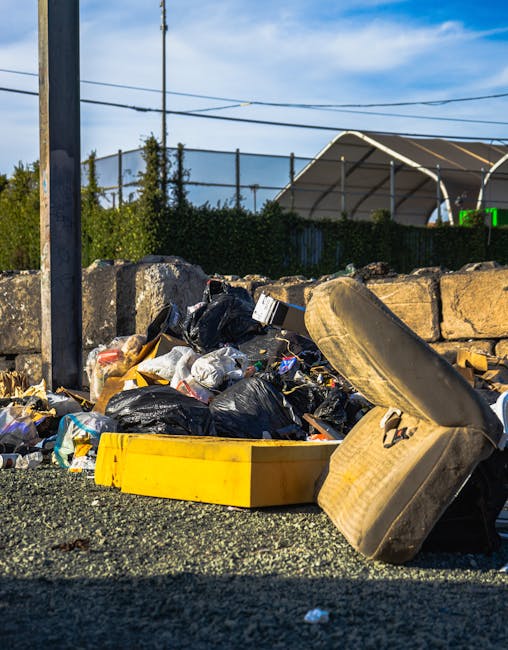
Fulham rubbish removal near Fulham Broadway station: a practical local guide
If you live, work, or are clearing out a property near Fulham Broadway station, rubbish removal can become one of those jobs that looks simple until you start lifting bags, checking access, and wondering where the bulky stuff will actually go. Fulham rubbish removal near Fulham Broadway station is really about more than just getting waste off the pavement. It is about doing it quickly, safely, and in a way that suits busy streets, flats, shopfronts, and tight stairwells. In this guide, you will find a clear explanation of how the service works, who it helps, what to expect, and the common mistakes worth avoiding. A lot of the hassle disappears once you know the process. Truth be told, that is half the battle.
Why Fulham rubbish removal near Fulham Broadway station Matters
Fulham Broadway is a busy part of west London, and that matters more than people sometimes realise. The area has a mix of flats, maisonettes, terraces, offices, retail units, and short-term lets, which means waste can build up in all sorts of awkward ways. One person is clearing a hallway after a move; another is replacing office furniture; somebody else has a garden cutback stacked behind a basement door. Different waste streams, same problem: it needs to go.
When rubbish is left too long, it tends to create friction. Communal bins overflow. Fire exits get blocked. Courtyards start to smell a bit damp and sour, especially in warmer weather. And in a station area, where foot traffic is constant, even a small pile of rubbish can look untidy and invite complaints pretty quickly. To be fair, nobody wants to be the neighbour with the black bags by the railings.
Local rubbish removal is also valuable because timing matters around transport, loading restrictions, and access. Near a station, you often have less room to manoeuvre and less tolerance for delays. The right service should fit the street, the property, and the schedule, not the other way round.
If your project is broader than simple waste collection, it can help to look at related services too. For example, a house clearance can suit full-property clear-outs, while flat clearance is often better for smaller homes with stairs, lifts, and tighter access. For one-off bulky items, furniture disposal or furniture clearance may be the more practical route.
How Fulham rubbish removal near Fulham Broadway station Works
Most rubbish removal jobs follow a straightforward pattern, though the details can change depending on the property and the amount of waste. In simple terms, you explain what needs removing, a team estimates the load and access requirements, then the waste is collected and taken away for sorting, reuse, recycling, or disposal.
For smaller jobs, the process can be quick. For larger clearances, it is worth being more methodical. You may need to separate general rubbish from reusable items, builder's debris, or garden waste. That makes pricing clearer and avoids awkward surprises on the day.
In a station-adjacent area like Fulham Broadway, logistics often matter as much as the waste itself. A van may need to stop briefly, rather than park for long. A stairwell may be narrow. A lift may be shared. These things are normal, but they affect how the collection is planned. If you have bulky or mixed waste, it is smart to mention that early rather than springing it on the crew at the door. Nobody enjoys a last-minute game of Tetris with a sofa and a broken wardrobe.
Many customers also combine rubbish removal with a linked service when the waste is part of a bigger job. For example, clearing a tired loft might call for loft clearance, while end-of-tenancy mess in a compact home may be best handled through a home clearance.
Typical stages in the process
- You describe the waste, access, and location.
- A price or estimate is provided based on volume, weight, and handling needs.
- A collection time is agreed, often with a narrow arrival window.
- The team loads the waste safely and checks what can be reused or separated.
- The material is taken for sorting and lawful disposal or recycling.
That sounds simple, and mostly it is. The real skill lies in the planning before the van arrives.
Key Benefits and Practical Advantages
The biggest benefit is obvious: you get your space back. But there are several less obvious advantages too, and they are often the ones people notice after the job is done.
- Less physical strain: moving bulky items down stairs or through shared hallways is harder than it looks.
- Faster turnaround: a good clearance team can handle in an hour what might take you a whole weekend.
- Cleaner finish: proper rubbish removal helps restore order before guests, tenants, staff, or buyers see the property.
- Better use of space: empty rooms feel larger, brighter, and easier to manage.
- Less risk of complaints: tidy waste handling keeps neighbours, landlords, and building managers happier.
- More responsible sorting: reusable items and recyclable materials can be separated properly.
There is also a mental benefit that people underestimate. Clutter has a way of hanging around in your head. Once the piles are gone, you notice how much easier it is to make decisions about the rest of the space. Should that old chest of drawers stay? Do you really need the extra chair? Suddenly, the answer is clearer.
For some jobs, specialist services can be more efficient than a general clear-out. A garage clearance is ideal when the space is full of mixed storage and forgotten bits, while a builders waste clearance helps after renovations, refits, or small construction jobs. If you are dealing with outdoor debris, garden clearance can be the better fit.
Who This Is For and When It Makes Sense
This kind of service suits a lot of different people. In Fulham, that usually means a mix of homeowners, tenants, landlords, letting agents, small businesses, and people in between moves.
You may need rubbish removal near Fulham Broadway station if you are:
- moving out and need to clear leftover junk quickly
- preparing a flat for new tenants
- emptying a spare room, loft, or storage area
- disposing of broken furniture or old appliances
- dealing with post-renovation waste
- clearing out office surplus, old desks, or archive clutter
- removing items from a garage, basement, or garden
It also makes sense when the job is bigger than a normal bin day but too small or too awkward for a skip. Let's face it, a skip is not always the neatest answer, especially where parking is tight and access is shared. Sometimes a direct collection is simply the less stressful option.
Businesses near the station often need this for practical reasons, too. A shop refit, office move, or storage reset can create a surprising amount of packaging, broken fittings, and worn-out stock. In those cases, business waste removal or office clearance may be more suitable than ad hoc disposal.
Step-by-Step Guidance
If you want a smoother experience, it helps to think ahead in a few simple stages.
1. Sort the waste by type
Separate what is clearly rubbish from what could be donated, reused, or kept. A pile of "not sure yet" items usually grows faster than you expect. If something is genuinely usable, set it aside before the team arrives.
2. Check access early
Look at stairs, lifts, narrow doors, basement steps, and parking points. If a large item needs to be carried through a communal hallway, say so in advance. A small detail like a tight bend can change the whole plan.
3. Measure bulky items
Approximate sizes are useful, especially for sofas, wardrobes, bed frames, desks, and heavy white goods. You do not need to be laser-accurate. Rough dimensions are usually enough to avoid problems.
4. Tell the provider what the waste actually is
Mixed rubbish, furniture, builders' debris, and garden cuttings are handled differently. The more precise you are, the more accurate the estimate tends to be. That is especially true if the load includes awkward or heavy materials.
5. Ask about sorting and disposal
It is reasonable to ask how items will be dealt with. Reuse and recycling are often preferred where possible, and many customers like knowing that their waste will not simply disappear into a black hole somewhere. A decent provider should be able to explain the process plainly.
6. Prepare the area before collection
Move smaller loose items together, clear a path, and make sure access points are open. If possible, label anything that must stay. A little prep saves a surprising amount of time.
7. Confirm the final collection details
Double-check time, location, payment expectations, and any access notes. If the building has specific rules for loading or waiting, mention them. It sounds basic, but these tiny checks can save a messy afternoon.
Expert Tips for Better Results
Over the years, one thing becomes clear: the jobs that go best are the ones with decent preparation, not necessarily the ones with the smallest volume of waste.
- Take photos before booking. Pictures help explain the scale and reduce misunderstandings.
- Keep an eye on communal areas. In flats, corridors and landings need special care so nothing gets scratched or blocked.
- Be honest about weight. A few heavy builder's bags can be more awkward than a room full of cardboard.
- Separate reusable items early. It is easier to keep them out of the waste stream than to fish them back out later.
- Choose a time that suits the building. Mid-morning can sometimes be calmer than the rush of early commuters or evening returns.
- Leave a clear instruction for keys or entry. A delayed start often comes down to access, not capacity.
One useful local habit is to plan around the rhythm of the area. Near Fulham Broadway station, traffic, footfall, school runs, and shopping hours all affect the feel of the day. If you have a choice, think about when the street is busiest. A quieter window can make the job feel almost easy. Almost.
If your clear-out includes worn-out beds, tables, or cupboards, you may find that furniture clearance is a better starting point than generic rubbish removal. And if the main issue is one bulky item, direct furniture disposal can keep things simpler.
Common Mistakes to Avoid
There are a few mistakes that come up again and again. They are easy to make, but also easy to avoid once you know what to look for.
- Underestimating the volume: a room that looks half-full can turn into a much larger load once everything is pulled out.
- Forgetting access issues: one narrow staircase can slow everything down.
- Mixing waste types without saying so: builders' debris and household rubbish should not be treated as the same thing.
- Leaving sorting too late: last-minute separating is stressful and usually messy.
- Blocking shared areas: this can cause friction with neighbours or building managers.
- Assuming all waste can go the same way: some items may need different handling or disposal routes.
Another common one? Waiting until the place feels unmanageable. At that point, it is harder to plan, harder to sort, and harder to stay calm. You really do not need to let it get that far.
If your project involves renovation debris or site leftovers, a focused builders waste clearance will usually work better than a general household pickup. Mixing the two can create confusion and, frankly, unnecessary hassle.
Tools, Resources and Recommendations
You do not need much in the way of equipment, but a few simple tools help the job feel more controlled.
- Bin bags and sturdy boxes: useful for loose, light items and mixed small waste.
- Marker pen and labels: handy for marking what stays and what goes.
- Measuring tape: useful for doorways, furniture, and storage spaces.
- Phone camera: good for taking pictures of the waste pile and access route.
- Gloves and closed shoes: basic, but worth it if you are sorting anything yourself.
For broader service planning, the most useful pages on the site are usually the ones that match the job type and your confidence level. If you are not sure whether you need a whole-property service or just a targeted collection, the company's waste removal page is a sensible starting point. If you want to understand the business and service approach a little better, the about us page can help. And if you need to compare practical terms, the pricing and quotes page is worth a look.
You can also read more about the company's approach to responsible handling through the recycling and sustainability page, which is especially useful if you care about reuse and waste reduction rather than just speed.
Law, Compliance, Standards, or Best Practice
For rubbish removal in London, the main practical point is that waste should be handled by a legitimate, responsible operator and dealt with in a way that follows UK expectations for safety and disposal. You do not need to become an expert in regulations, but it does help to ask a few sensible questions.
Good practice usually means:
- the waste is collected safely without creating hazards for residents or passers-by
- items are sorted where possible for reuse or recycling
- potentially risky materials are handled carefully
- the provider is clear about what they can and cannot take
- the customer understands any limits, exclusions, or special handling needs
If you are dealing with business premises, care is even more important. Office and commercial waste can involve paperwork, electronics, and shared spaces, so the process should be tidy and secure. If items contain sensitive information, make sure they are handled appropriately before collection. That part is easy to overlook when everyone is focused on just getting the room cleared.
Safety matters too. Heavy lifting, awkward stairways, and sharp debris can all lead to avoidable accidents if the job is rushed. A proper service should have its own safety standards and insurance approach in place. If you want to understand those details more fully, it is sensible to review the company's health and safety policy and insurance and safety information. Those pages tell you a lot about how seriously the business treats the practical side of the work.
Options, Methods, or Comparison Table
Different waste jobs call for different methods. The trick is choosing the simplest option that still fits the task. Here is a straightforward comparison.
| Method | Best for | Strengths | Limitations |
|---|---|---|---|
| Direct rubbish removal | Mixed household waste, bulky items, small clear-outs | Fast, flexible, little disruption | May not suit very large construction jobs |
| Flat clearance | Tenanted flats, apartments, smaller homes | Good for stairs, lifts, and tight access | Less suited to large outbuildings |
| House clearance | Whole-property clear-outs | Comprehensive and efficient | Can be more than you need for a small job |
| Builders waste clearance | Renovation debris, rubble, site waste | Handles heavier materials more appropriately | Not ideal for general household clutter |
| Furniture clearance or disposal | Sofas, beds, tables, cabinets | Simple for bulky pieces | Not the right fit for mixed rubbish piles |
In a place like Fulham Broadway, the best option often depends on how much access you have and how varied the waste is. A mixed load from a flat move may need one approach, while a room full of renovation offcuts needs another. It is not always obvious at first glance, which is why a good discussion before the visit matters so much.
Case Study or Real-World Example
Here is a typical local scenario. A couple move out of a two-bedroom flat a short walk from Fulham Broadway station. They have a broken sofa, two wardrobes that will not fit through the hallway without dismantling, several bin bags of old clothes and books, and some cardboard from a recent purchase. There is also a narrow entrance, shared stairs, and a building manager who wants the common area kept clear.
They could have hired a skip, but that would have taken more space than they had and created an awkward parking issue. Instead, they booked a targeted rubbish removal service. Before the crew arrived, they moved smaller items into one corner, measured the wardrobes, and flagged the access route. The team collected the furniture, separated the cardboard for appropriate handling, and cleared the lot without blocking the stairwell for long.
The part people always remember is not just the speed. It is the relief. The flat looked instantly more manageable, and the final clean-up became easier because the remaining space was open again. By late afternoon, the place felt lighter. Quiet, even. That makes a difference when you are trying to hand keys back or prepare for new occupants.
Practical Checklist
Use this checklist before your collection day. It keeps things simple.
- Confirm what needs removing.
- Separate reusable items from waste.
- Identify any heavy, fragile, or awkward pieces.
- Check stairs, lifts, door widths, and parking access.
- Take a few photos if useful.
- Tell the provider about mixed waste or special items.
- Clear a path through the property.
- Keep communal areas tidy and unobstructed.
- Review collection timing and access instructions.
- Ask how the waste will be sorted or disposed of.
If your job is more specialised, you may also want to check the relevant service page, such as garage clearance, loft clearance, or office clearance, depending on where the clutter is hiding. And yes, clutter does have a talent for hiding.
Conclusion
Fulham rubbish removal near Fulham Broadway station is most useful when you want a local, practical, and low-stress way to clear unwanted items without disrupting your day. The real value is not just the removal itself. It is the planning, the access awareness, the safe handling, and the sense that the job has been done properly from start to finish.
Whether you are clearing a flat, a home, an office, a garden, or a pile of leftover renovation debris, the best results usually come from clear information and a simple plan. Get the details right early, and everything else tends to fall into place. Not perfectly, maybe, but close enough to feel like a small victory.
If you are ready to move from cluttered to clear, the next step is straightforward: choose the service that matches your space, your waste, and your timeline, then book with confidence.
Get a free quote today and see how much you can save.
Frequently Asked Questions
What is included in Fulham rubbish removal near Fulham Broadway station?
It usually includes the collection, loading, and removal of unwanted household, commercial, or bulky waste from a property near the station area. The exact scope depends on the type of items and access.
How quickly can rubbish be collected in Fulham Broadway?
Often quite quickly, especially for straightforward loads. Timing depends on availability, the size of the job, and whether there are access or parking considerations.
Is rubbish removal better than hiring a skip?
For many people near Fulham Broadway, yes. If access is tight or you do not want a skip taking up road space, a direct collection can be much easier. Skips can still suit larger projects, though.
Can furniture be taken away with general rubbish?
Usually yes, but it is best to mention furniture separately so the team can plan for size, weight, and handling. Large items often fit better into furniture-specific collection or disposal services.
Do I need to sort everything before the team arrives?
No, but it helps to do a basic sort. Separate items you want to keep, and flag anything that is reusable, fragile, or especially heavy. That makes the whole process smoother.
What if I live in a flat with stairs or a lift?
That is very common in Fulham. Just let the provider know in advance. Stair access, lift size, and shared hallways can all affect the collection plan.
Can builders' debris be removed from a renovation job?
Yes, but it should be described clearly as builders' waste. Heavy debris, rubble, and renovation offcuts are different from ordinary household rubbish and are usually handled as a separate type of clearance.
Is office waste removal suitable for small businesses near the station?
Absolutely. Small offices, studios, and shop back rooms often build up old paperwork, broken furniture, and packaging that needs a proper clear-out. Office-specific removal is often the neatest option.
How do I know the waste will be handled responsibly?
Ask how items are sorted and where reusable or recyclable materials go. You can also review the provider's recycling and sustainability information for a better sense of their approach.
What should I do before the collection day?
Clear access routes, separate keepers from removals, note any parking or building restrictions, and make sure the provider understands what they are collecting. A small amount of prep goes a long way.
Can garden waste be included too?
Yes, if the service accepts it. Branches, soil, cuttings, and outdoor clutter are usually best mentioned up front so the correct collection plan can be put in place.
Where can I find pricing information?
The most useful place to start is the pricing and quotes page. That gives you a clearer idea of how jobs are assessed and what information helps produce an accurate estimate.
What if I am not sure which clearance service I need?
If the job involves a whole property, a flat, a loft, or a garage, it is usually worth matching the service to the space. When in doubt, start with the general waste removal information and work outward from there. It is simpler than guessing, and far less annoying.